Tesla sets deadline for first private Cybercab deliveries
Tesla executives confirmed that the first privately owned Cybercabs will reach customers before the end of 2026, though most units will initially join the company's own robotaxi fleet.
By Rebecca Dawson ·
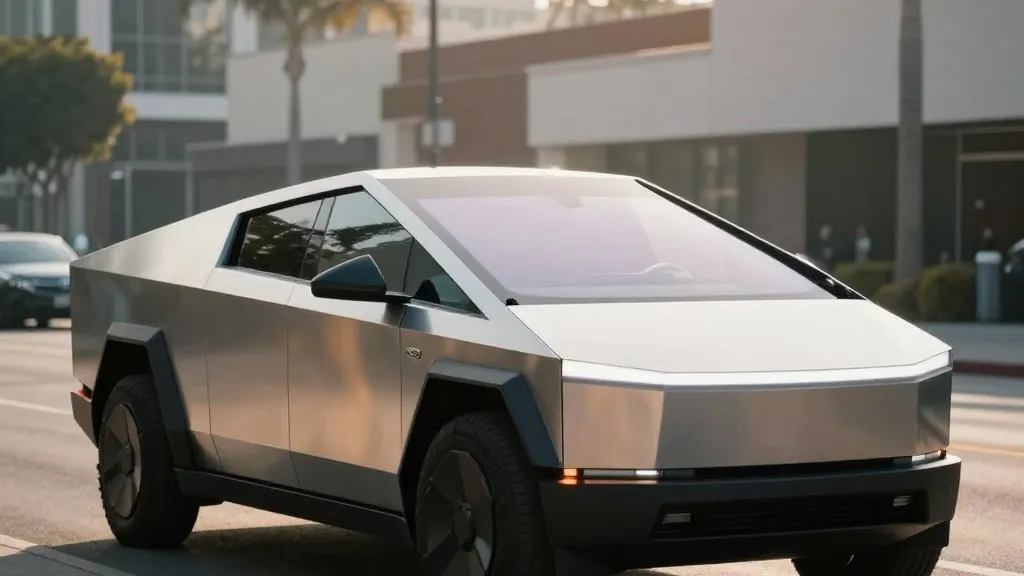
For the first time, prospective buyers of the Tesla Cybercab have a specific timeframe for when they can take possession of their vehicle. According to statements made during the company’s third-quarter 2026 earnings call, the first private deliveries are targeted to occur before the year concludes. This milestone resolves long-standing uncertainty regarding when the two-seater, autonomous vehicle would move from internal testing and fleet operations into private hands.
The Cybercab, a purpose-built robotaxi lacking a steering wheel or pedals, has been in production since February of this year. Its development was designed to rely entirely on Tesla’s Full Self-Driving technology. While the vehicle has been in the works for some time, the transition from manufacturing to customer ownership is now formally scheduled. Tesla had previously indicated a target price of approximately $30,000 for the vehicle, positioning it as an accessible entry point into autonomous mobility.
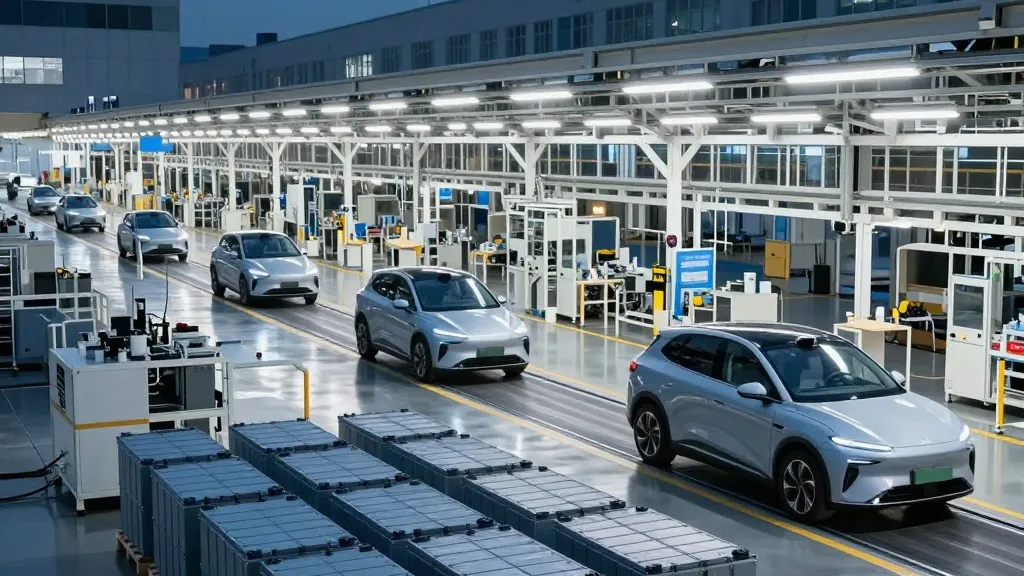
The timeline for these deliveries has evolved through several key stages over the past year. Production began at the Gigafactory Texas in February. By early September, the company launched its public robotaxi service, integrating early production units into its own fleet. This internal deployment allowed Tesla to refine its operations and gather data on autonomous driving in real-world conditions before opening the vehicle up for private purchase.
During the earnings call on October 21, Vice President of Engineering Lars Moravy provided the definitive date for customer handoffs. He stated that the company is aiming to get Cybercabs to customers by the end of 2026. Moravy clarified that while production is currently active on the line in Texas, the initial batch of vehicles is being allocated to Tesla’s internal robotaxi fleet rather than being sold to the public. This strategic decision allows the company to maintain control over the early operational phase of the vehicle.
As operations scale up, Tesla plans to shift its focus toward delivering fully designed autonomous vehicles to its customer base. Moravy noted that the Cybercab will be the first of these vehicles to reach private owners. The company intends to start with a small number of initial deliveries to manage the logistical complexities involved in transferring ownership and managing fleet operations outside of direct corporate control. This gradual approach is intended to mitigate risks associated with new delivery models and autonomous vehicle management.
CEO Elon Musk reinforced the idea that the Cybercab is primarily a service product rather than a traditional personal vehicle. He described the offering as "transport-as-a-service," emphasizing that the vast majority of Cybercab units will remain Tesla-owned. This model differs significantly from the private ownership structure of the Model 3, Model Y, or the upcoming Roadster. Musk’s comments suggest that private ownership will be a secondary aspect of the Cybercab’s market presence in its initial years.
Looking ahead, there are still regulatory and technical hurdles that must be addressed before widespread private adoption. Ashok Elluswamy, Tesla’s Head of AI, indicated that unsupervised Full Self-Driving is expected to ship to consumer cars during the second quarter of 2027. Until that technology is fully mature and widely approved, early Cybercab buyers may experience geographically restricted autonomous operations. These restrictions could be due to lagging regulatory approvals in various jurisdictions.
The coming months will be critical for Tesla as it transitions from building a fleet to selling vehicles. The company must balance the demand for private ownership with the need to maintain the reliability of its robotaxi service. As the year 2026 comes to a close, the focus will be on whether Tesla can successfully execute its plan to deliver the first batch of Cybercabs to customers while continuing to expand its autonomous driving capabilities.
Source: Teslarati