816 Acres of Forest Turned to Mud as Google’s AI Buildup Displaces Wolves Into Finnish Villages
Unauthorized logging for AI data centers has forced wolves into nearby communities, prompting regulatory orders to halt work and sparking fears over local safety and geopolitical risk.
By Rahul Mehta ·
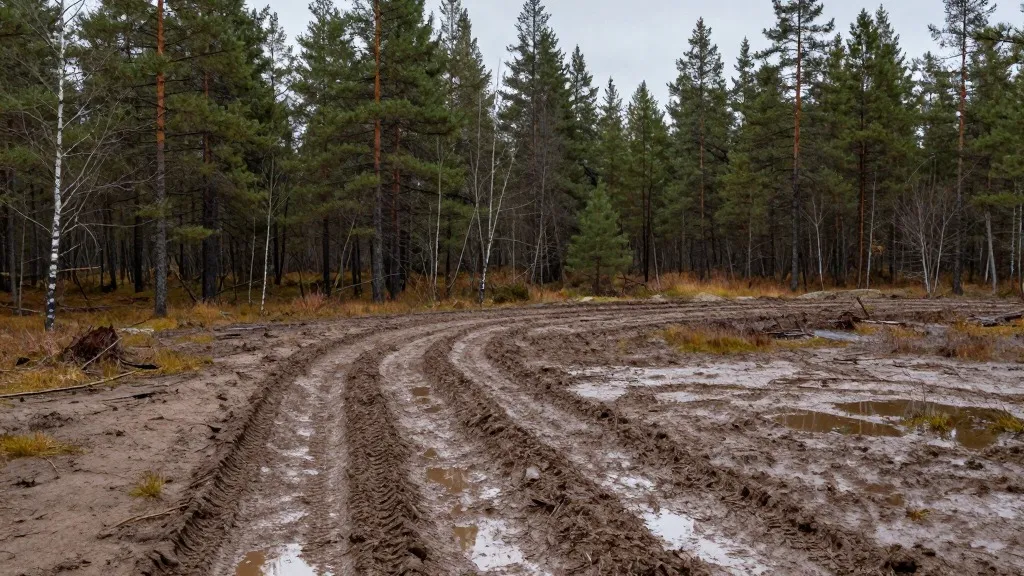
Google’s Finland country manager issued a formal apology on Thursday, acknowledging that unauthorized clearings near the village of Muhos have transformed 816 acres of forest into a vast expanse of mud. The admission comes as the American technology giant faces growing scrutiny over its rapid expansion of artificial intelligence infrastructure in the Nordic region. Regulators have simultaneously issued an order for the company to cease operations in a separate area where approximately 500 acres of woodland were removed, located 55 miles southeast of the village of Otanmäki. The environmental disruption has now reached a tangible level for local residents, with wolf packs that previously inhabited these forests beginning to roam into neighboring villages.
The shift in wildlife behavior has turned what was initially an environmental dispute into a public safety concern for families in the countryside. Anni Ranta, 53, a resident whose family has lived in Otanmäki for generations, explained that the displacement of local fauna was direct and immediate. “We had wolves coming into the village because all the wild animals moved out of the forest,” Ranta said. Her account highlights the urgent physical impact of the construction, moving the narrative beyond abstract environmental metrics to the daily lives of people sharing their space with displaced predators.
Beyond the immediate ecological consequences, residents are expressing deeper anxieties about the long-term implications of hosting massive U.S.-owned data centers in Finland. Ranta voiced a specific fear that the presence of critical AI infrastructure could make the country a more attractive target for Russian aggression, adding a geopolitical layer to the existing environmental grievances. This sentiment reflects a broader unease among locals who feel that the hurried pace of development has outpaced careful consideration of regional security and ecological balance.
The Finnish Licensing and Supervision Authority (LVV) has taken a firm stance, issuing an order to stop development activities near both Muhos and Otanmäki. This regulatory move follows earlier notices given to Google regarding construction in Muhos and Kajaani, indicating a sustained effort by the government to enforce compliance. The intervention suggests that regulators are no longer content with monitoring the situation but are actively stepping in to correct what they view as unauthorized actions by the tech giant.
Google’s approach to environmental policy in Finland has been described by a representative of the Finnish Association for Nature Conservation (SLL) as unprecedented in its clarity of flouting established rules. The association’s assessment aligns with the actions of the LVV, reinforcing the view that the company’s methods have deviated significantly from standard regulatory expectations. This consensus between conservation groups and state authorities puts considerable pressure on Google to demonstrate a tangible change in its operational procedures.
In response to the regulatory orders, a Google spokesperson maintained an optimistic tone, stating that the company will fully comply with the LVV’s requests. The spokesperson added, “We look forward to maintaining an active, open dialogue with all authorities to strengthen our partnership with Finland and local organizations.” This diplomatic language suggests that the company is aiming to preserve its relationship with the Finnish government, likely betting that the promised economic benefits of the data centers will eventually outweigh the current friction.
Local complaints extend beyond the visual impact of mud and the presence of wolves. Residents have reported construction and factory noise disrupting their daily routines, as well as streams turning brown from runoff. There are also concerns that rare bird species are being pushed out of their natural habitats. These cumulative effects mirror similar controversies seen in the United States and other countries where AI data center development has clashed with local environmental norms.
The situation in Finland serves as a high-profile case study in the growing tension between the global demand for AI computing power and the local environmental costs of housing it. As Google works to navigate the regulatory landscape, the immediate challenge remains managing the human-wildlife interface in villages that no longer have the forest buffer they once relied on. The coming weeks will likely determine whether the promised dialogue between Google and local authorities results in a sustainable compromise or further escalates the dispute.
For now, the focus remains on the halted construction sites and the muddy expanses where forests once stood. The apology from the country manager marks a significant moment in the relationship, but the physical reality of the displaced wolves and the lingering mud offers a stark reminder of the stakes involved in the race to build the future of artificial intelligence.
Source: Tom's Hardware