Houthi Strikes Test Saudi Defense Lines and Yemen Economic Stability
Recent missile attacks on Aden and Saudi holy sites are straining regional security and raising concerns over the cost of prolonged conflict.
By Brianna Jackson ·
Tensions in the Red Sea region have escalated sharply, creating new risks for investors and travelers alike. Houthi forces launched a coordinated series of attacks on Saturday, targeting both the Saudi Arabian mainland and Aden, the financial hub of Yemen’s internationally recognized government. This surge in hostilities underscores the growing volatility in a region critical to global energy supplies and trade routes.
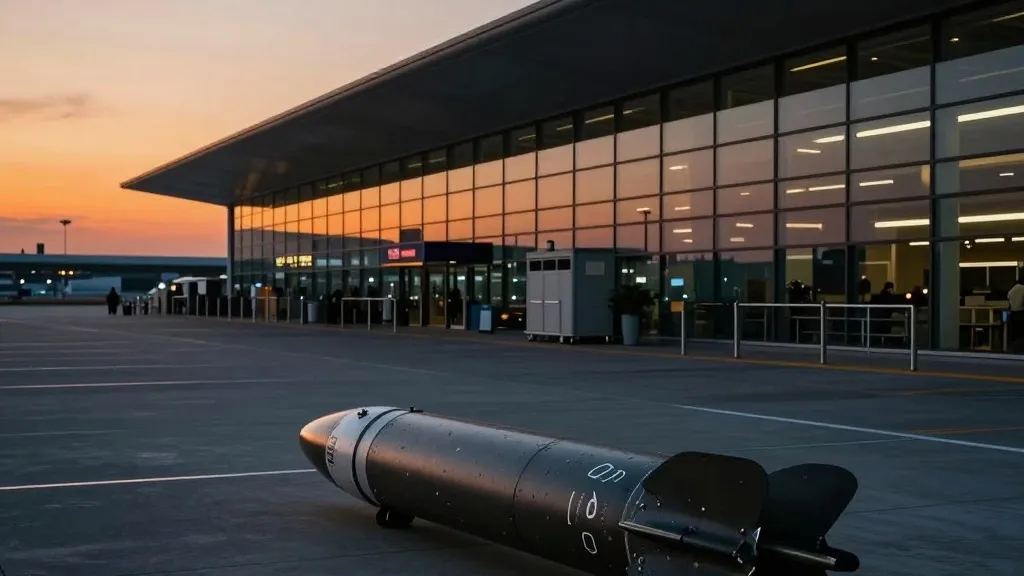
The economic impact is already visible in Aden. The Yemeni Transport Ministry confirmed that two ballistic missiles struck the international airport, marking the fourth such incident this month. Officials warn that these strikes disrupt civil aviation, a key sector for tourism and trade. The attacks also hit the coastguard headquarters and other infrastructure, increasing the operational costs for maintaining security in a vital port city.
Saudi Arabia’s defense sector is under intense scrutiny following reports of missile interceptions. The civil defence agency stated that two ballistic missiles were fired toward Mecca and Medina. While the projectiles were intercepted, officials warned of falling shrapnel. The Houthi group disputed the official narrative, claiming they targeted three airports, oil infrastructure, and an airbase rather than the holy cities. This debate over targets highlights the strategic importance of Saudi energy and aviation assets.
The conflict is also affecting internal stability and resource allocation in Yemen. In Sanaa, a Houthi-controlled city, a malfunctioning missile crashed into a residential home on Friday, killing three people. Yemen’s army noted that such malfunctions have become more frequent in recent weeks. Meanwhile, Houthi media reported that Saudi airstrikes killed several civilians in Sanaa and Hodeidah, though Riyadh has not yet formally commented on the claims.
Regional leaders are reacting to the financial and social strain of the war. Jasem Mohamed Albudaiwi, the Secretary-General of the Gulf Cooperation Council, described the attacks as heinous and a disregard for civilian security. This sentiment reflects a broader concern that the conflict is becoming more costly and difficult to manage, with both sides using long-range strikes to apply pressure since the 2022 ceasefire collapsed.
On the front lines in Taiz, fighting remains intense. Colonel Majed Abdullah al-Nazili, a Yemeni army spokesman, said government forces conducted over 700 targeting operations in the past 24 hours. He claimed these actions neutralized 300 fighters and disabled military vehicles, focusing on command centers and supply lines. While these figures were not independently verified, they indicate a sustained commitment to military engagement.
Looking ahead, the market and policymakers will be watching for signs of further escalation or a potential diplomatic breakthrough. The repeated targeting of infrastructure suggests that both sides are willing to absorb significant costs to achieve strategic goals. For now, the focus remains on how these attacks affect energy prices, travel routes, and the overall stability of the Gulf region.
Source: Al Jazeera